Relocation December 17, 2025

Veteran Home Buying in North Carolina: Your Complete Guide to Seamless Homeownership

Buying a home as a veteran in North Carolina comes with unique opportunities—and a few challenges. You might feel overwhelmed by VA loans and the search for veteran-friendly real estate options. That’s where Chris Meek Realty veterans step in, guiding you through every step with local know-how and tailored support. Keep reading to learn how veteran home buying NC programs can open doors to your perfect coastal home. For more details, check out this guide for veterans.

Understanding VA Loans in North Carolina

Navigating the home buying process in NC starts with understanding VA loans. These loans offer unique benefits for veterans, making homeownership more achievable. Let’s dive into what makes these loans special.

Benefits of VA Loans for Veterans

VA loans provide several perks for veterans. First, there’s no need for a down payment, which can save you thousands upfront. This means more money stays in your pocket. Interest rates are also competitive, often lower than conventional loans, which can mean big savings over time. Another highlight is the lack of private mortgage insurance (PMI), which is typically required with less than a 20% down payment on other loans. This reduces monthly payments, allowing veterans to focus on other financial goals.

Moreover, VA loans have flexible credit requirements, making it easier for those with varied credit histories to qualify. This opens doors for many veterans who might feel excluded by traditional lenders. With these benefits, it’s clear why many veterans choose VA loans as their path to homeownership.

Navigating the VA Loan Process

Getting a VA loan involves a few key steps. First, obtain your Certificate of Eligibility (COE), a crucial document that verifies your entitlement to VA benefits. You can apply for this through the VA website. Next, find a VA-approved lender to begin your loan application. They will help you understand eligibility and guide you through pre-approval.

Once pre-approved, start your home search. When you find the ideal property, make an offer and proceed to the appraisal and inspection stages. These ensure the home meets VA standards. Closing is the final step, where you sign documents and get the keys to your new home. Remember, patience and persistence are key, as each step requires careful attention to detail.

Veteran-Friendly Real Estate Options

Finding a home as a veteran means seeking properties that cater to specific needs. From coastal retreats to quiet suburban neighborhoods, North Carolina offers diverse options. Let’s explore what to look for in veteran-friendly real estate.

Finding the Perfect Property

Start by identifying what matters most to you. Proximity to amenities, schools, and veteran communities are key considerations for many. Coastal areas like Wilmington and Carolina Beach offer vibrant communities with a welcoming feel. If you prefer a quieter setting, consider the suburbs, which provide a peaceful environment with access to local services.

When searching, prioritize properties that align with your lifestyle. Do you enjoy coastal activities like fishing or boating? Or perhaps you want a home with a spacious yard for family gatherings? Make a list of must-haves to help narrow your search. With clear goals, you’ll find a property that fits your needs and budget, making your dream of owning a home a reality.

Key Considerations for Veterans

As a veteran, certain features might be more important. Accessibility is one key factor. Homes with single-level living can be easier to navigate, especially for those with mobility concerns. Additionally, properties near military bases or veteran centers can offer a sense of community and access to support services.

Another consideration is the home’s condition. Look for properties that require minimal renovations, allowing you to move in with ease. Finally, consider resale value. A home in a growing area can be a wise investment, offering opportunities for appreciation. This not only benefits you now but can also be an asset for future generations.

How Chris Meek Realty Can Help

With so many options and details to consider, having an expert by your side is invaluable. Chris Meek Realty offers personalized guidance to help veterans find their ideal homes. Let’s see how they make the process smoother.

Personalized Guidance for Veterans

Chris Meek Realty understands the unique needs of veterans. Their team provides tailored support, ensuring you feel confident at every step. From understanding VA loans to finding the right neighborhood, they offer insights that make a difference. With local expertise, they connect you to properties that fit your lifestyle and budget.

The team listens carefully to your needs, offering advice on everything from negotiation to closing. They simplify complex processes, ensuring you stay informed and comfortable. Most importantly, they work tirelessly to make your home buying experience positive and rewarding. With Chris Meek Realty, you’re not just buying a house; you’re finding a place to call home.

Contact Chris Meek Realty Today! 📞

Don’t wait to start your home buying journey. Reach out to Chris Meek Realty for dedicated support tailored to veterans like you. Your dream home in North Carolina is within reach, and their team is ready to make it happen. Contact them today and take the first step towards your perfect coastal home.

Relocation December 10, 2025

Navigating Your First Coastal Home Purchase: Essential Evaluation Tips

Thinking about your first home purchase along North Carolina’s coast? Coastal properties come with unique charms—and a few extra questions you’ll want answered before making a move. With Chris Meek Realty by your side, you’ll learn key points to watch for in southeastern North Carolina’s market. If you’re ready to feel confident about your coastal real estate evaluation, this guide to Navigating Your First Coastal Home Purchase: Essential Evaluation Tips will walk you through every step.
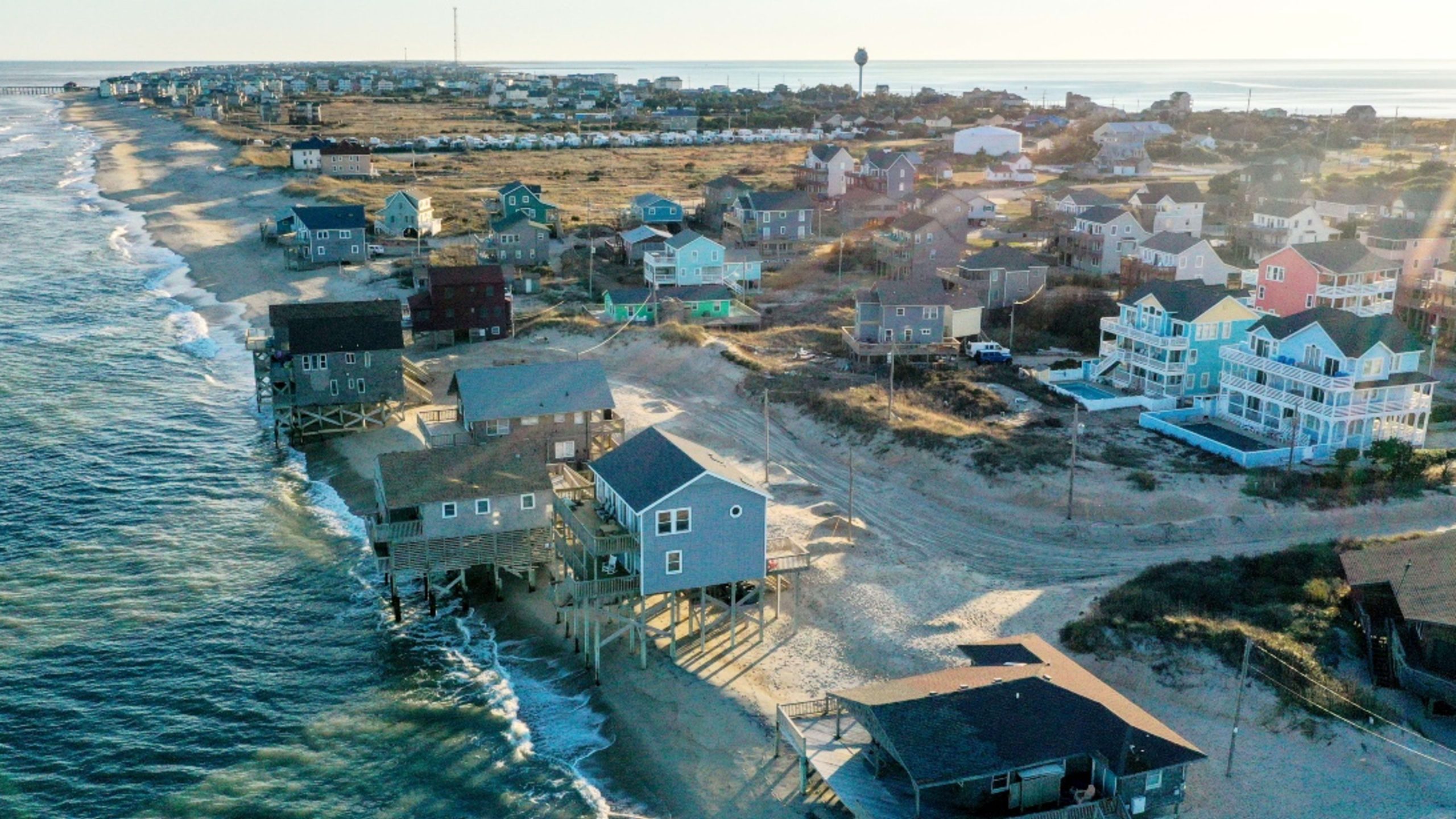
Envisioning your first coastal home along North Carolina’s beautiful shoreline.
Understanding Coastal Property Dynamics

Buying along the coast isn’t the same as buying inland. You’re factoring in ocean breezes, salt air, flood zones, tourism, and long-term development. Understanding these coastal property dynamics will help you make smarter, more confident decisions as you move toward your first home purchase.

Identifying Prime Locations Along North Carolina’s Coast

Your lifestyle should guide where you buy. Some buyers love lively beach towns full of shops, restaurants, and seasonal events. Others prefer quieter stretches of coastline with a slower pace and more privacy. Before committing, spend time in different neighborhoods at various times of day to experience what life there really feels like. As you evaluate locations, pay attention to:
  • Amenities: Proximity to grocery stores, schools, parks, and healthcare facilities can make day-to-day living more convenient.
  • Commute & Access: Consider how easy it is to access major highways, workplaces, and nearby cities.
  • Community Vibe: Talk with locals, visit small businesses, and walk the neighborhood to get a feel for the area’s personality.
  • Future Growth: Areas in southeastern North Carolina, including parts of counties like Pender, may be poised for growth and long-term value appreciation.
Prime coastal neighborhoods balance lifestyle, amenities, and long-term growth.
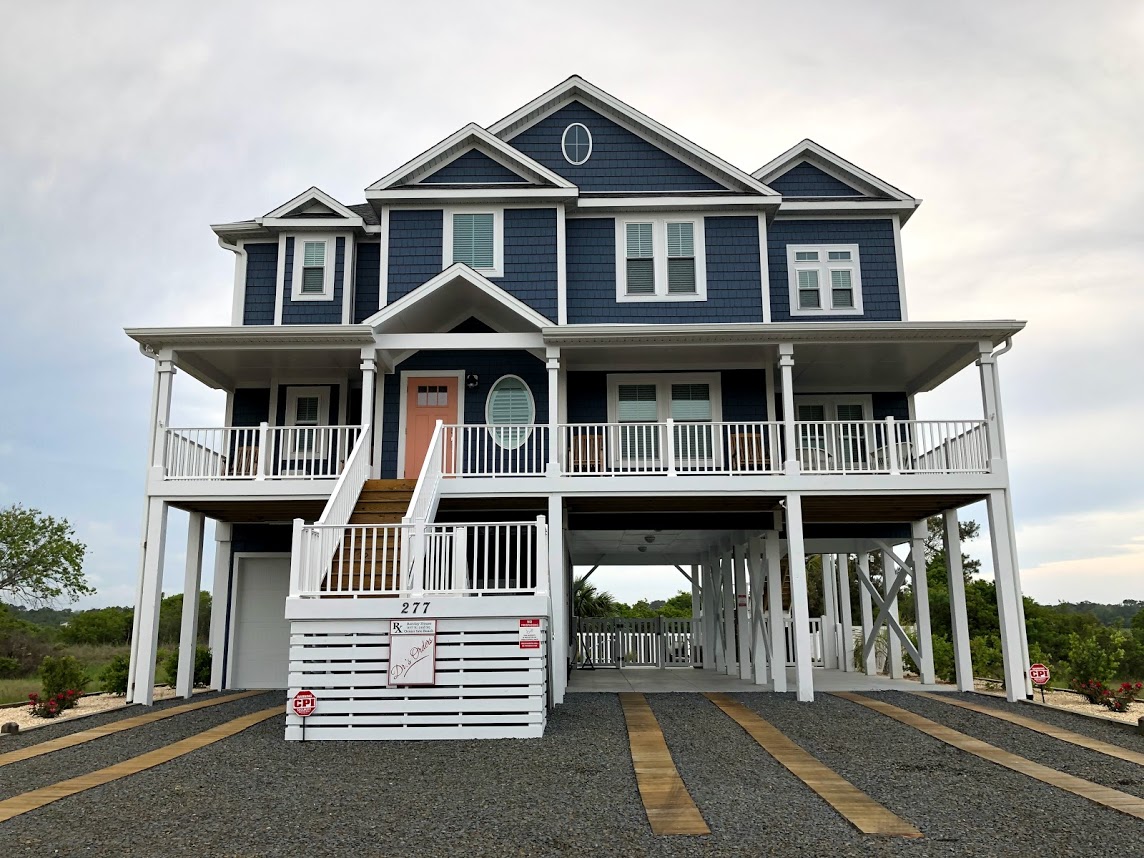
Remember, you’re not just buying a house—you’re joining a community. Taking the time to explore now means fewer surprises once you move in.

Evaluating Weather Impact and Environmental Risks

Weather is a major factor in any coastal home purchase. North Carolina’s coast can be impacted by hurricanes, tropical storms, and heavy rain events. These realities don’t have to scare you away, but they should shape your evaluation process.
  • Flood Zones: Check the property’s flood zone designation. Homes in high-risk zones may require additional insurance and elevated construction.
  • Wind and Storm Exposure: Look for storm-resistant features, such as impact-resistant windows, reinforced roofing, and secure exterior doors.
  • Salt Air and Corrosion: Salt air can wear down exterior finishes and metal components over time. Homes built with coastal-rated materials age better and require less frequent major maintenance.
  • Long-Term Climate Considerations: Rising sea levels and coastal erosion may influence property values and insurance requirements over the coming decades.
Ask your agent and inspector about historical storm activity in the area and any documented flooding on or near the property. This information helps you plan realistically for maintenance and insurance costs as you navigate your first coastal home purchase.
Storm-smart construction can protect both your investment and your peace of mind.
Key Factors in Coastal Real Estate Evaluation

Once you’ve found an area you love, it’s time to evaluate specific properties. This is where structure, regulations, and property features all work together to determine whether a home is truly a good fit for you.

Navigating Local Regulations, Zoning, and HOAs

Each town, county, and coastal community may have its own rules. Understanding local regulations early helps you avoid costly surprises later.
  • Zoning Laws: Zoning determines how land can be used, what can be built, and where. This is especially important if you plan to add a garage, deck, accessory dwelling, or rental unit.
  • Permits: Renovations, additions, or structural changes usually require permits. Knowing this before you buy keeps your improvement plans realistic.
  • Homeowners Associations (HOAs): HOAs can set rules about exterior paint colors, fencing, rentals, parking, and more. Some buyers appreciate this structure; others find it restricting.
To learn more about North Carolina real estate rules and consumer protections, you can visit the North Carolina Real Estate Commission.

Assessing Property Features and Structural Strength

Coastal properties work harder than inland homes. Sun, wind, and moisture all take a toll over time. That’s why careful evaluation of the home’s structure and key features is essential.
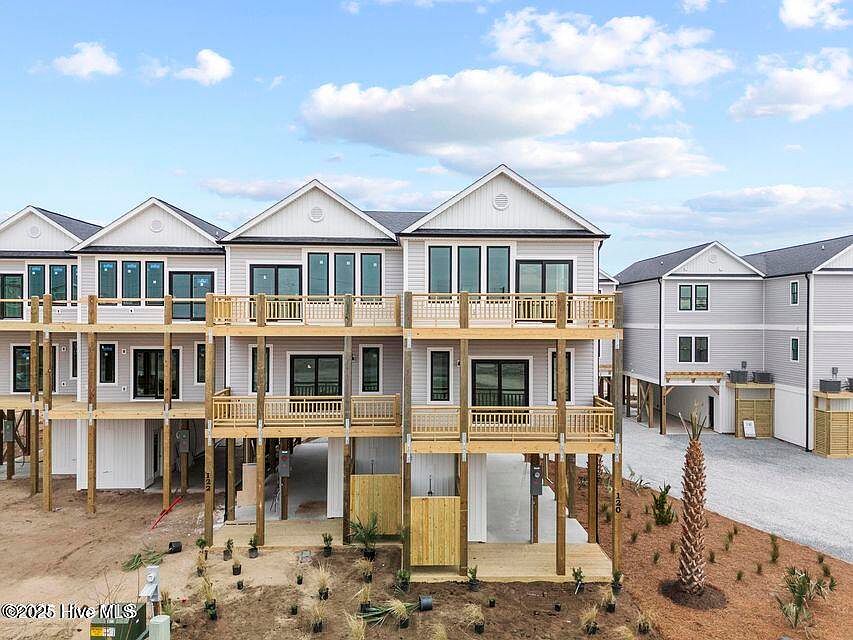
  • Foundation: Look for solid, well-maintained foundations. Elevated homes on pilings or piers can offer improved flood resilience.
  • Roofing and Exterior: Metal roofing, quality shingles, and durable siding materials perform better in coastal climates.
  • Windows and Doors: Storm-rated or impact-resistant windows and doors add security, comfort, and potential insurance savings.
  • Drainage: Proper grading and drainage help move water away from the home and minimize moisture issues.
  • Storage and Lifestyle Features: Outdoor showers, storage for beach gear, and covered parking are all valuable in a coastal lifestyle.
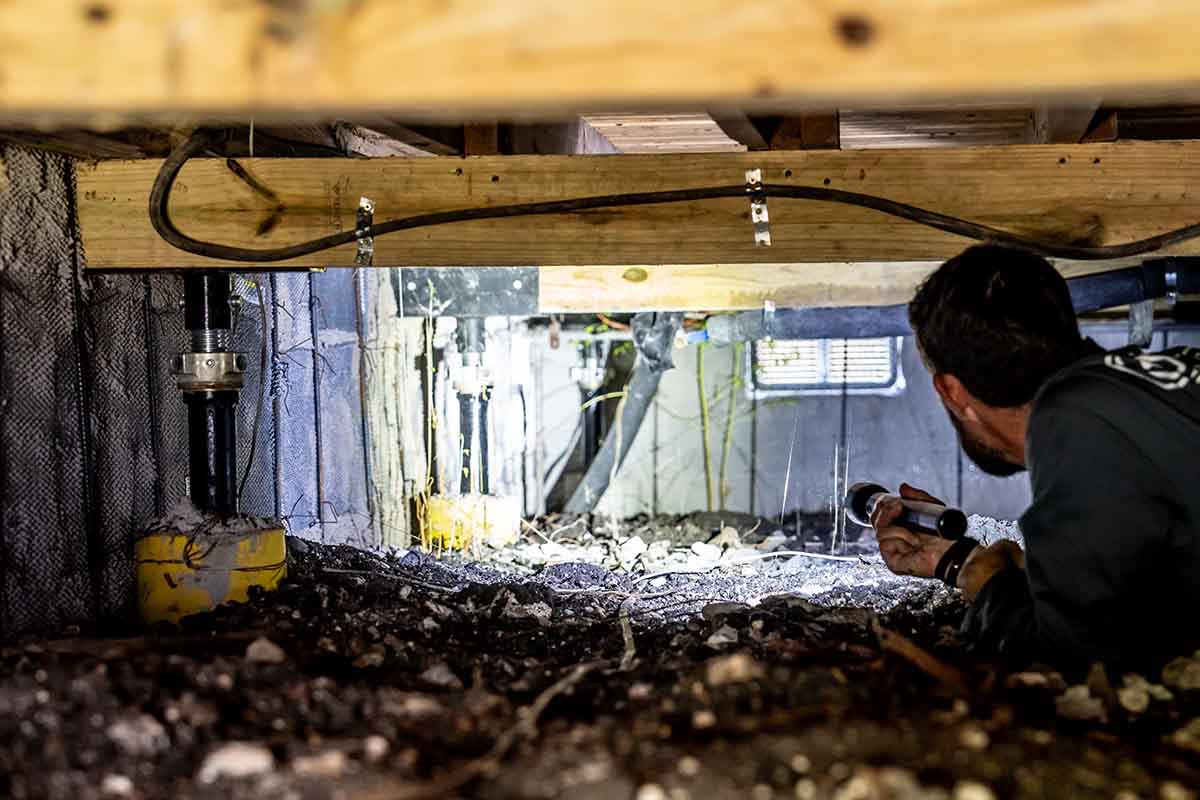
Always work with a licensed home inspector who understands coastal construction. Their detailed evaluation gives you a clear picture of current conditions and future maintenance needs.
A thorough inspection is one of the smartest steps in your coastal home evaluation.

Tips for a Successful First Coastal Home Purchase

With the groundwork laid—location, weather, structure, and regulations—it’s time to connect everything to your budget and long-term goals. These practical tips will help keep your coastal dreams within reach.

Budgeting for Your Dream Coastal Home

Setting a realistic budget is one of the most important parts of Navigating Your First Coastal Home Purchase: Essential Evaluation Tips. Coastal ownership can come with extra costs, so it’s wise to plan ahead.
  • Purchase Price: Know your maximum comfortable price—not just what you qualify for.
  • Insurance: Flood and wind policies can significantly influence your monthly payment.
  • Property Taxes: Taxes vary by county and city and should be factored into your annual budget.
  • Maintenance and Repairs: Set aside funds for regular upkeep like painting, sealing, roofing checks, and system maintenance.
  • HOA or Community Fees: If applicable, include monthly or annual dues in your projections.
Use mortgage calculators and speak with a trusted lender to understand how all of these elements come together in a monthly payment. That clarity makes it much easier to shop confidently.

Exploring Down Payment and Financing Options

Your down payment and loan structure can shape your financial comfort for years to come. Larger down payments can reduce your monthly costs and overall interest, but there are also programs designed to help first-time buyers enter the market with more flexibility. Talk to your lender about:
  • First-time homebuyer programs
  • Loan types (conventional, FHA, VA, and others you may qualify for)
  • Interest rate options and how your credit impacts them
  • Closing cost estimates and potential credits or incentives
The more you understand your financing choices, the more strategic you can be when you find the coastal home you love.

Partnering with Chris Meek Realty 🌞

Buying a home—especially your first coastal property—is a big step, but you don’t have to do it alone. Chris Meek Realty knows southeastern North Carolina’s coastal market and can guide you from initial research to closing day.
  • Local Expertise: Insight into neighborhoods, growth patterns, and community character.
  • Property Evaluation Support: Help interpreting inspections, insurance quotes, and local regulations.
  • Negotiation and Strategy: Guidance on making competitive offers while protecting your interests.
  • Personalized Service: A team that listens to your goals and tailors the search to your lifestyle.
Many first-time buyers feel overwhelmed at the start, but with a strong real estate partner, the process becomes clear and manageable. The longer you wait, the more likely you are to miss out on the ideal coastal home. Let Chris Meek Realty walk with you each step of the way so you can move forward with confidence.

Frequently Asked Questions About Your First Coastal Home Purchase

1. What’s the first step in buying a coastal home?

Start by defining your budget and preferred locations, then connect with a local real estate professional like Chris Meek Realty who understands coastal markets. From there, you can get pre-approved and begin viewing homes that match your needs.

2. Are coastal homes much more expensive to maintain?

Coastal homes can have higher maintenance needs due to salt air, humidity, and storm exposure. However, choosing thoughtfully built properties and keeping up with routine care can help you manage costs and protect your investment over time.

3. How important is flood insurance for coastal properties?

Flood insurance is extremely important in many coastal areas. Your lender may require it based on the property’s flood zone. Even if it’s not required, it’s wise to discuss coverage options with a qualified insurance agent.

4. What should I look for during a home inspection on a coastal property?

Focus on the foundation, roof, siding, windows, doors, and any signs of water intrusion, corrosion, or structural wear. Ask your inspector specific questions about how the coastal environment affects long-term performance.

5. Is a coastal home a good investment for a first-time buyer?

Yes, a coastal home can be a great investment when you carefully evaluate location, weather risks, insurance, and long-term growth potential. Working with an experienced local agent helps you avoid common pitfalls and focus on properties with strong fundamentals.

6. Why work specifically with a coastal-focused realty team like Chris Meek Realty?

Coastal markets are unique. A team like Chris Meek Realty brings local insight into flood zones, neighborhood trends, insurance considerations, and community culture. That expertise can save you time, money, and stress as you navigate your first coastal home purchase.

Conclusion: Your Path to Confident Coastal Homeownership

Navigating Your First Coastal Home Purchase: Essential Evaluation Tips don’t have to feel overwhelming. When you understand local dynamics, evaluate weather and structural considerations, plan for financial realities, and partner with experienced professionals like Chris Meek Realty, you set yourself up for success. Your coastal dream home in southeastern North Carolina is within reach—now you have the insight and tools to pursue it with confidence.
Client Guides December 3, 2025

A Beginner’s Guide to Buying a Home in the Cape Fear Region

The Cape Fear Region—stretching across Wilmington, Leland, Hampstead, Carolina Beach, Southport, and the coastal communities of Pender & Brunswick Counties—is one of the most desirable places to live in the Southeast. Whether you’re relocating from out of state, transitioning from military service, or buying your first home right here in North Carolina, this guide walks you step-by-step through everything you need to know.

Buying a home can feel overwhelming. With a plan, realistic expectations, and the right local agent advocating for you, the process becomes smooth, exciting, and empowering


1. Choose the Right Area for Your Lifestyle

The first step is identifying what kind of lifestyle you want. The Cape Fear Region offers incredibly diverse living options.

  • Close to the beach: Carolina Beach, Kure Beach, Topsail/Sneads Ferry
  • Walkable & historic: Downtown Wilmington, Castle Street
  • Master-planned communities: Brunswick Forest, Compass Pointe, RiverLights
  • Quiet & spacious: Hampstead, Rocky Point, Burgaw, rural Pender/Brunswick
  • Military convenience: Jacksonville, Hubert, Sneads Ferry, Holly Ridge

2. Know Your Budget and What It Gets You

The Cape Fear Region includes everything from starter homes to luxury coastal properties. Typical price ranges include:

  • $250K–$350K: Townhomes, starter homes, some new construction
  • $350K–$500K: Newer single-family homes, family neighborhoods
  • $500K+: Beach homes, amenity-rich communities, larger new builds

Get Pre-Approved Early

A lender will help determine your price range, monthly payments, loan type, down payment needs, and expected closing costs. Military buyers benefit greatly from VA loans, which are extremely common in this region.


3. Understand Coastal Buying Costs

Buying near the coast requires a little extra knowledge. Important considerations include flood zones, wind & hail insurance, and HOA fees.

Flood Zones

Your agent and lender will check FEMA flood maps for each property.

Insurance

Coastal homes often require homeowners insurance plus separate wind & hail coverage.

HOA Fees

Many communities include amenities such as pools, gyms, trails, or lawn care. Costs generally range from $50–$300 per month.


4. Touring Homes (In Person or Virtually)

Once pre-approved, the fun begins. Many relocation buyers—especially those moving from the Northeast or active-duty military families—start with virtual tours. I regularly walk clients through homes via FaceTime or video.

Touring early gives you an edge in fast-moving neighborhoods.


5. Make a Strong, Strategic Offer (Including Due Diligence Fees)

A strong offer in the Cape Fear Region doesn’t always mean offering the highest price. It often includes flexible closing dates, clean terms, competitive due diligence and earnest money fees, and a strong pre-approval.

What Is a Due Diligence Fee?

North Carolina uses a unique system where buyers pay a nonrefundable fee directly to the seller once the offer is accepted. This fee gives you the right to inspect the home, negotiate repairs, and walk away for any reason during the due diligence period.

If you close, this fee becomes a credit toward your purchase.

Typical Due Diligence Fees

  • $500–$1,500 — Lower demand areas or lower price points
  • $1,500–$3,000+ — Competitive areas like Leland, Hampstead, Carolina Beach, Ogden
  • Higher during multiple-offer situations

6. The Importance of Inspections

Inspections are essential—especially on the coast. Common inspection findings in coastal NC include:

  • Moisture or ventilation issues in crawlspaces
  • HVAC wear from salt air
  • Roof age and storm damage
  • Termite activity
  • Septic system needs in rural areas

7. From Contract to Closing

A typical timeline from offer acceptance to closing is 30–45 days:

  1. Schedule inspections
  2. Negotiate repairs
  3. Appraisal ordered
  4. Final loan processing
  5. Insurance & documents finalized
  6. Clear to close
  7. Closing day celebration

8. Welcome to Your New Coastal Carolina Home

Whether it’s a beach cottage, downtown condo, townhome, or single-family house in one of our growing suburban communities, you’re now part of a region known for its charm, beaches, culture, and exceptional quality of life.

And I’ll be there every step of the way—from your first search to the moment you hold your keys.


Written by Chris Meek Realty | Century 21 Vanguard
“Making Carolina Dreams a Reality”

Seasonal November 26, 2025

Top 5 Things to Do During the Holiday Season in the Cape Fear Region

🎄 Top 5 Things to Do During the Holiday Season in the Cape Fear Region

For First-Time Visitors & Future Relocators Discovering Coastal Carolina Charm

By Chris Meek Realty – Making Carolina Dreams a Reality

Holiday lights along Wilmington’s Riverwalk overlooking the Cape Fear River

The Cape Fear Region shines during the holiday season with sparkling lights, waterfront celebrations, charming small-town traditions, and mild coastal weather that makes exploring easy and enjoyable.

Whether you’re visiting for the first time or considering relocation, here are the top five must-experience holiday events that showcase the  splendor of Wilmington, Carolina Beach, Fort Fisher, Wrightsville Beach, and Southport.


1. Enchanted Airlie at Airlie Gardens

Airlie Holiday Gallery

Holiday lights along a pathway at Airlie Gardens
Enchanted Airlie holiday lights at Airlie Gardens
Light displays reflecting on the water at Airlie Gardens

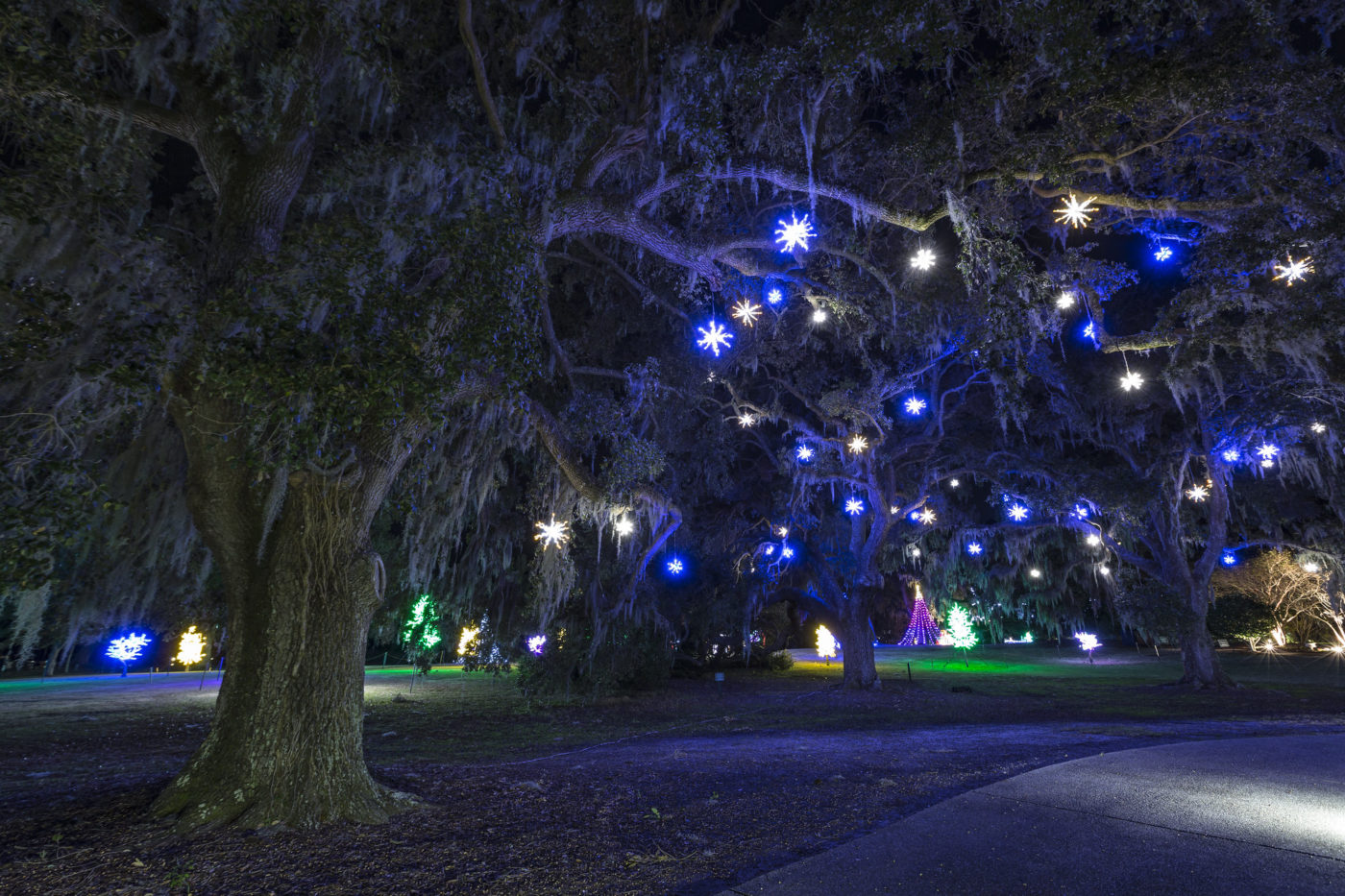
Every December, Airlie Gardens transforms into a glowing winter wonderland during Enchanted Airlie — with illuminated oak trees, lighted pathways, lakeside reflections, and serene holiday allure in one of Wilmington’s most beautiful historic gardens.

It’s peaceful, breathtaking, and one of the region’s most loved traditions for both locals and visitors.


2. Christmas by the Sea — Carolina Beach Boardwalk

Carolina Beach Holiday Gallery

Santa on the beach between Christmas trees at Carolina Beach
Holiday lights on the Carolina Beach Boardwalk

Carolina Beach glows with coastal holiday charm during Christmas by the Sea. The boardwalk lights up with colorful arches and displays, oceanfront Santa visits, fire pits for s’mores, live music, and themed weekend festivities.

For many newcomers, this is the event that makes them say: “I could live here.”


3. Wilmington Holiday Parade & Riverfront Lights

Wilmington Holiday Gallery

Holiday parade float in downtown Wilmington
Santa greeting children during Wilmington holiday celebrations
Holiday lights and decorations in downtown Wilmington

Historic downtown Wilmington comes alive each December. The Holiday Parade fills Front Street with music, floats, and festive energy, while the Riverfront glows with seasonal lights, decorated shops, and carriage rides along the Cape Fear River.

It’s a perfect introduction to the walkable, historic, and vibrant lifestyle that draws so many people to call Wilmington home.


4. Festival of Trees — North Carolina Aquarium at Fort Fisher

Festival of Trees Gallery

Cape Fear Festival of Trees display
Decorated Christmas trees inside the aquarium at Fort Fisher
Jellyfish tank with holiday decor at Fort Fisher Aquarium

The Festival of Trees turns the North Carolina Aquarium at Fort Fisher into a holiday forest. Dozens of creatively decorated trees line the exhibits, blending festive decor with glowing jellyfish, touch tanks, and marine life.

Families, especially those considering a move to the area, love this unique combination of education, fun, and seasonal spirit.


5. Holiday Flotillas — Wrightsville Beach & Southport

Holiday Flotilla Gallery

Holiday flotilla boats lit up at Wrightsville Beach
Crowds watching the Wrightsville Beach Holiday Flotilla
Boat parade during the Southport Winterfest Flotilla

The Wrightsville Beach Holiday Flotilla and Southport Winterfest Boat Parade are two of the Cape Fear Region’s most iconic holiday events. Decorated boats glide across the Intracoastal Waterway, their lights reflecting on the water and creating unforgettable coastal scenes.

It’s coastal North Carolina holiday magic at its finest.


Why the Cape Fear Region Is Perfect for the Holidays

The Cape Fear Region offers:

  • Mild coastal winters
  • Waterfront celebrations and light displays
  • Family-friendly events and traditions
  • Historic charm with modern amenities
  • A welcoming, community-focused atmosphere

For many visitors, the holiday season is when they realize: “This is where I want to live.”


🎄 Ready to Explore Homes in Coastal Carolina?

Imagine spending next holiday season in your new coastal home.

As someone who relocated here and built a life along these beautiful shores, I’m here to help guide your next steps.

📞 910-231-1553
🌐 ChrisMeekRealty.com
Chris Meek, Realtor – Century 21 Vanguard
Helping Make Carolina Dreams a Reality

Relocation November 19, 2025

The Fastest Growing Neighborhoods in the Cape Fear Region (2025 Market Guide)

The Cape Fear Region—Wilmington, Brunswick County, and Pender County—continues to rank among the fastest-growing coastal areas in the Southeast. With booming development, relocation from the Northeast and Midwest, and high demand for coastal living, our market remains strong.

Below is your complete guide to the fastest-growing neighborhoods in the Cape Fear Region. Each section includes a publicly available photo, price ranges, and insight tailored to buyers, sellers, and relocation clients.


1. Leland, NC – One of the Fastest Growing Towns in North Carolina

Leland NC Neighborhood

Why Leland Is Growing

Leland continues to be one of the fastest-growing towns in the state. New communities, lower taxes, and proximity to Downtown Wilmington make it a major hotspot for relocation buyers.

Popular Neighborhoods

  • Brunswick Forest
  • Mallory Creek Plantation
  • Waterford of the Carolinas
  • Compass Pointe (gated, resort-style)

Price Ranges

  • Townhomes: $275,000 – $350,000
  • Single-Family Homes: $350,000 – $550,000
  • Luxury & Golf: $650,000 – $1.2M+

2. Ogden, NC – Coastal Convenience & Rapid Growth

Ogden NC

Why Ogden Is Booming

Located just minutes from Wrightsville Beach and Mayfaire, Ogden has become one of the Wilmington area’s most in-demand communities. Excellent schools and a mix of established and new neighborhoods make it ideal for families.

Popular Ogden Areas

  • Plantation Landing
  • Marsh Oaks
  • Middle Sound Loop
  • Ogden Business District neighborhoods

Price Ranges

  • Starter Homes: $350,000 – $450,000
  • Mid-Range: $500,000 – $650,000
  • Waterfront/Luxury: $1M+

3. Porters Neck, Wilmington NC – Luxury Meets Growth

Porters Neck Wilmington

Why Porters Neck Stands Out

Porters Neck is one of Wilmington’s strongest luxury-growth sectors, known for gated communities, golf courses, and water access. Appreciation remains high due to location and prestige.

Popular Communities

  • Porters Neck Plantation
  • Blue Point
  • New luxury construction in the northern corridor
  • Figure Eight adjacent luxury areas

Price Ranges

  • Entry-Level: $325,000 – $400,000
  • Mid-Range: $550,000 – $900,000
  • Waterfront/Luxury: $1.1M – $5M+

4. Hampstead, NC – The Next Coastal Boomtown

Why Hampstead Is Exploding

The new Hampstead Bypass and highly rated Topsail schools are fueling rapid growth. Hampstead offers more space, newer subdivisions, and quick access to beaches and Wilmington.

Popular Neighborhoods

  • Scotts Hill Village
  • WyndWater
  • Deerfield
  • Topsail Greens

Price Ranges

  • Entry Homes: $325,000 – $425,000
  • Mid-Range: $450,000 – $650,000
  • New Construction/Luxury: $700,000 – $900,000+

5. Carolina Beach & Kure Beach – Growing Coastal & Investment Markets

Why These Beach Towns Are Thriving

Pleasure Island remains one of the area’s strongest real estate markets thanks to tourism, revitalization, and high rental demand. Both full-time residents and investors flock to Carolina Beach and Kure Beach for coastal living and income properties.

Popular Neighborhoods

  • Carolina Beach North End
  • Oceana Subdivision
  • Kure Beach Village
  • Seawatch (luxury community)

Price Ranges

  • Condos/Townhomes: $350,000 – $700,000
  • Single-Family Homes: $650,000 – $1.2M
  • Oceanfront/Luxury: $1.5M – $3.5M+

Cape Fear Region Growth Snapshot

Area Growth Highlight Who It Attracts
Leland Major new construction; fast population growth Relocation buyers & retirees
Ogden Beach proximity & strong schools Families & professionals
Porters Neck Luxury + gated communities Move-up buyers
Hampstead Bypass + school district demand Families, commuters, beach lovers
Carolina/Kure Beach High rental demand & coastal revitalization Investors & second-home buyers

Thinking About Moving to the Cape Fear Region?

Whether you’re relocating, upgrading, or searching for a coastal lifestyle, I’m here to help you navigate the fastest-growing markets in Wilmington, Leland, Hampstead, and our beach communities.

Contact Chris Meek, REALTOR® – Century 21 Vanguard
Phone/Text: (910) 231-1553
Website: ChrisMeekRealty.com
Tagline: Making Carolina Dreams a Reality


Entertainment November 12, 2025

🎭 The Best Entertainment Venues in Wilmington, NC: Where Culture Meets Coastal Living

Century 21 Vanguard 📞 910-231-1553 🌐 ChrisMeekRealty.com   Making Carolina Dreams a Reality

When people think of Wilmington, NC, they picture beaches, boardwalks, and sunsets — but the city’s cultural heartbeat runs just as deep as its coastal beauty. From jazz on historic lawns to major concerts on the riverfront, Wilmington has quietly become one of the Southeast’s top entertainment destinations.


🎶 Live Oak Bank Pavilion at Riverfront Park

Opened in 2021, this riverfront amphitheater seats more than 7,000 fans and attracts top touring acts from around the country. Operated by Live Nation and owned by the City of Wilmington, it’s quickly become a regional favorite for its big sound and unbeatable setting.

Bring a blanket for the lawn, grab dinner downtown, and let the river breeze and stage lights remind you why Wilmington living feels like a permanent vacation.


🌳 Greenfield Lake Amphitheater

Greenfield Lake Amphitheater night concert
Greenfield Lake Amphitheater — music surrounded by nature

Since 1962, Greenfield Lake Amphitheater has been one of Wilmington’s most scenic performance spots. Nestled among cypress trees and overlooking the lake, it combines live music with the tranquility of nature — a true local favorite.

Smaller than the big arenas, its charm lies in intimacy. Whether you’re watching a regional rock band or a national folk artist, it feels personal and peaceful — like a secret tucked inside the city.


🎭 Thalian Hall Center for the Performing Arts

Thalian Hall exterior downtown Wilmington
Thalian Hall — a masterpiece of history and performance

Built in 1858, Thalian Hall is one of the oldest continuously operating theaters in America. Its Victorian charm and classic façade anchor downtown Wilmington’s arts district, offering everything from plays and films to symphonies and comedy shows.

Inside, gilded balconies and ornate décor create a time-travel moment — a living piece of history that still brings the community together.


🎟️ The Wilson Center at Cape Fear Community College

Wilson Center Wilmington NC interior
The Wilson Center — Wilmington’s premier indoor venue

Since its grand opening in 2015, the Wilson Center has elevated Wilmington’s arts scene with a Broadway-worthy lineup. This 1,500-seat performing arts center hosts major tours, orchestras, dance productions, and comedy legends — all within walking distance of the riverfront.

It’s the perfect rainy-day entertainment option and a strong reason downtown living continues to attract culture-loving homeowners.


🕯️ Bellamy Mansion Museum Summer Jazz Series

Bellamy Mansion Wilmington NC
Bellamy Mansion Museum — where history meets smooth jazz

Built in 1859, the Bellamy Mansion stands as one of the finest examples of antebellum architecture in the South. But each summer, its sprawling lawn transforms into one of Wilmington’s most magical entertainment experiences: the Summer Jazz Series.

Hosted by the Cape Fear Jazz Society, these outdoor concerts bring locals together for live music beneath magnolias and moonlight. It’s the kind of refined, laid-back night that captures the heart of coastal living.


🌅 A City That Performs for You

Wilmington’s entertainment venues bring together everything locals love: music, history, community, and coastal beauty. Whether you prefer waterfront rock concerts or elegant jazz nights under the stars, our city has it all — and that lifestyle is waiting for you.

If you’re dreaming of moving closer to the action, I’d love to help you find the perfect home near Wilmington’s best cultural spots — from the Riverwalk to the beaches.


🏡 Contact Chris Meek, Realtor®

Century 21 Vanguard 📞 910-231-1553 📧 Chris@ChrisMeekRealty.com 🌐 ChrisMeekRealty.com Making Carolina Dreams a Reality

Hashtags: #WilmingtonNC, #WilmingtonEntertainment, #LiveOakBankPavilion, #GreenfieldLake, #ThalianHall, #WilsonCenter, #BellamyMansion, #CoastalLiving, #ChrisMeekRealty, #Century21Vanguard, #MakingCarolinaDreamsAReality

Relocation November 5, 2025

Relocating from the Northeast to Wilmington, NC in 2026: Your Escape from the Cold, Your Gateway to Coastal Living

Century 21 Vanguard | ChrisMeekRealty.com | 910-231-1553

Sunrise in Wilmington

If you’re reading this under gray skies—Long Island, Boston, Buffalo, New Hampshire—and you’ve scraped one too many windshields, this might be your sign. Wilmington, North Carolina is one of the Southeast’s most desirable relocation spots—especially for Northeasterners craving better weather, lifestyle, and affordability. In 2026, the timing is ideal: more remote-work flexibility, a moderating housing market, and continued growth across our coastal economy. Translation: it’s a great year to make your move south.

Why 2026 Is the Year to Trade Snow Boots for Sandals

Remote work remains flexible, the housing market is stabilizing, and Wilmington continues to grow around tech, healthcare, and coastal tourism. For anyone relocating from colder climates, 2026 offers the sweet spot between opportunity and value.

From Ice Storms to Ocean Breezes: The Wilmington Climate Advantage

Mild winters (average highs in the mid-50s °F), early springs, and long, warm falls. Instead of gray slush, expect azaleas in February and surfers in March—thanks to our Cape Fear River location and nearby beaches (Wrightsville, Carolina, Kure).

Morning surf at Wrightsville Beach beats shoveling snow—every time.

Lifestyle & Cost: Why Wilmington Makes Financial and Emotional Sense

Below-national-average cost of living, often lower property taxes than many Northeastern states, and daily outdoor living—boating, beach walks, golf, pickleball, festivals—without a flight. Choose from luxury waterfront communities, new-builds like Riverlights, or walkable downtown condos with river views.

A Northeasterner Who Made the Move

I moved from Bayville, Long Island to Wilmington in 2001, following my parents. It wasn’t just a relocation—it was a lifestyle transformation. I built community through education, sports, and real estate, and watched Wilmington grow into one of the most dynamic markets in the Southeast. You can do this too—Wilmington truly welcomes transplants.

Your 2026 Relocation Roadmap

  • Define your lifestyle. Beach proximity (Wrightsville, Carolina, Kure), family-friendly suburbs like Leland or Porters Neck, or walkable Historic Downtown.
  • Research & visit. Plan a 3–4 day scouting trip (Feb–Apr). Explore the Historic District, Riverlights, Autumn Hall, and nearby beaches.
  • Get pre-approved & hire local. Coastal neighborhoods are competitive—work with a local Realtor who’s lived the relocation experience.
  • Plan the move. Sell the snow gear, book long-distance movers, and aim for a summer or early-fall 2026 arrival.
  • Live the life. Year-round porch coffee, waterfront seafood, concerts, art walks, and beach festivals nearly every weekend.

What to Expect & Prepare For

  • Humidity in summer: make sure your HVAC is up to date.
  • Hurricanes: plan ahead with proper insurance and supplies.
  • Growth & demand: popular areas can bring traffic—worth it for most new residents.

The Emotional Payoff of Relocating South

For many Northeasterners, this move isn’t just practical—it’s personal. More sunshine, more freedom, more time outside with the people you love. Wilmington’s pace is slower but more alive—families reconnect, retirees find new energy, and remote workers finally feel at peace.

Final Thoughts: Don’t Wait Another Winter

Every January, I hear: “Next year, I’m not doing this again.” Make 2026 the year you follow through. Wilmington is ready—with warm breezes, a thriving community, and homes that make every day feel like a coastal escape.

Then: winter gridlock and gray slush.

Now: Riverwalk sunsets and year-round outdoor living.

Ready to Make Your Move?

Let’s schedule your Wilmington relocation consult.