Navigating Your First Coastal Home Purchase: Essential Evaluation Tips
by Chris Meek
Thinking about your first home purchase along North Carolina’s coast? Coastal properties come with unique charms—and a few extra questions you’ll want answered before making a move. With Chris Meek Realty by your side, you’ll learn key points to watch for in southeastern North Carolina’s market. If you’re ready to feel confident about your coastal real estate evaluation, this guide to Navigating Your First Coastal Home Purchase: Essential Evaluation Tips will walk you through every step.
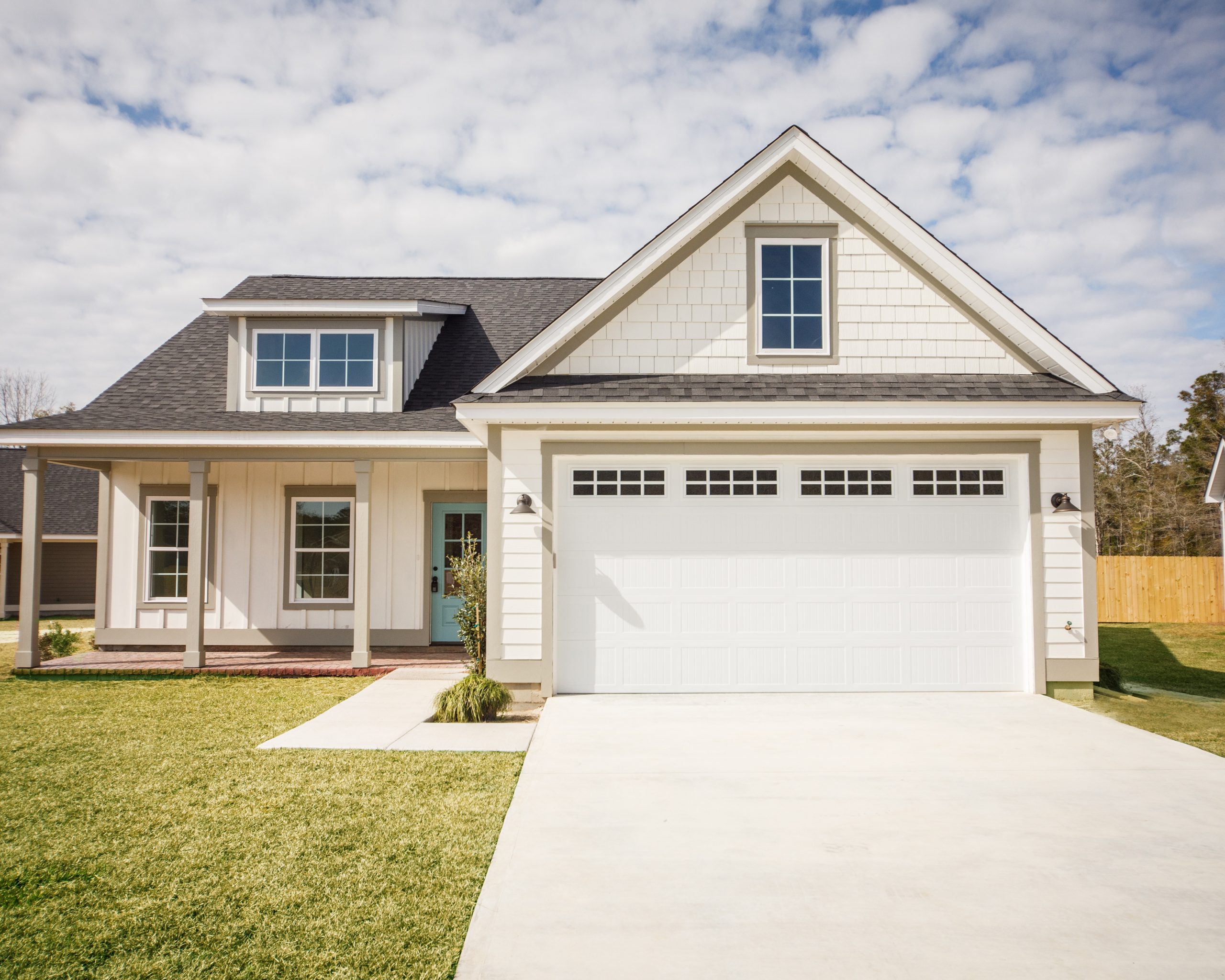
Envisioning your first coastal home along North Carolina’s beautiful shoreline.
Understanding Coastal Property Dynamics
Buying along the coast isn’t the same as buying inland. You’re factoring in ocean breezes, salt air, flood zones, tourism, and long-term development. Understanding these coastal property dynamics will help you make smarter, more confident decisions as you move toward your first home purchase.
Identifying Prime Locations Along North Carolina’s Coast
Your lifestyle should guide where you buy. Some buyers love lively beach towns full of shops, restaurants, and seasonal events. Others prefer quieter stretches of coastline with a slower pace and more privacy. Before committing, spend time in different neighborhoods at various times of day to experience what life there really feels like.
As you evaluate locations, pay attention to:
Amenities: Proximity to grocery stores, schools, parks, and healthcare facilities can make day-to-day living more convenient.
Commute & Access: Consider how easy it is to access major highways, workplaces, and nearby cities.
Community Vibe: Talk with locals, visit small businesses, and walk the neighborhood to get a feel for the area’s personality.
Future Growth: Areas in southeastern North Carolina, including parts of counties like Pender, may be poised for growth and long-term value appreciation.
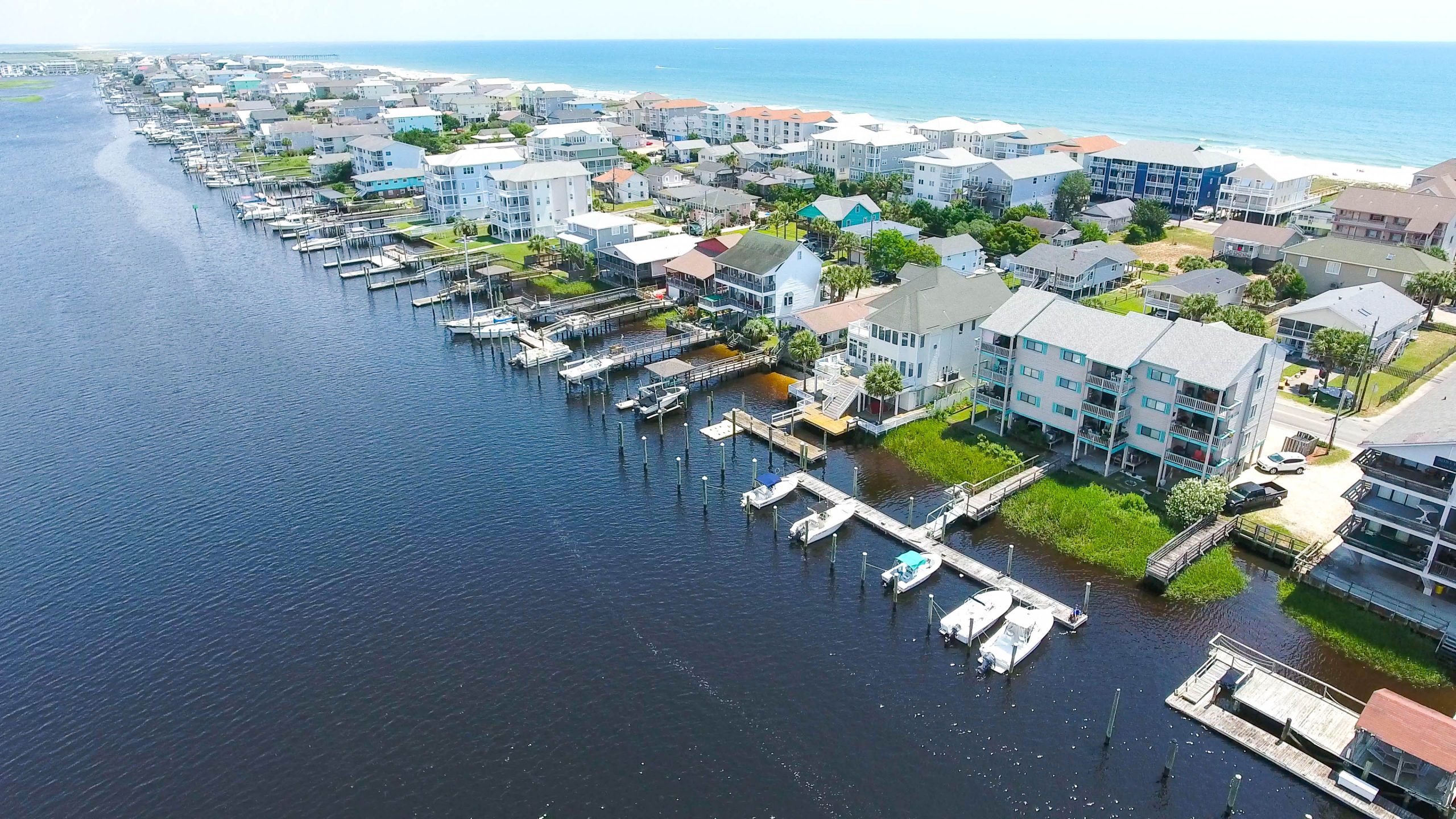
Prime coastal neighborhoods balance lifestyle, amenities, and long-term growth.
Remember, you’re not just buying a house—you’re joining a community. Taking the time to explore now means fewer surprises once you move in.
Evaluating Weather Impact and Environmental Risks
Weather is a major factor in any coastal home purchase. North Carolina’s coast can be impacted by hurricanes, tropical storms, and heavy rain events. These realities don’t have to scare you away, but they should shape your evaluation process.
Flood Zones: Check the property’s flood zone designation. Homes in high-risk zones may require additional insurance and elevated construction.
Wind and Storm Exposure: Look for storm-resistant features, such as impact-resistant windows, reinforced roofing, and secure exterior doors.
Salt Air and Corrosion: Salt air can wear down exterior finishes and metal components over time. Homes built with coastal-rated materials age better and require less frequent major maintenance.
Long-Term Climate Considerations: Rising sea levels and coastal erosion may influence property values and insurance requirements over the coming decades.
Ask your agent and inspector about historical storm activity in the area and any documented flooding on or near the property. This information helps you plan realistically for maintenance and insurance costs as you navigate your first coastal home purchase.
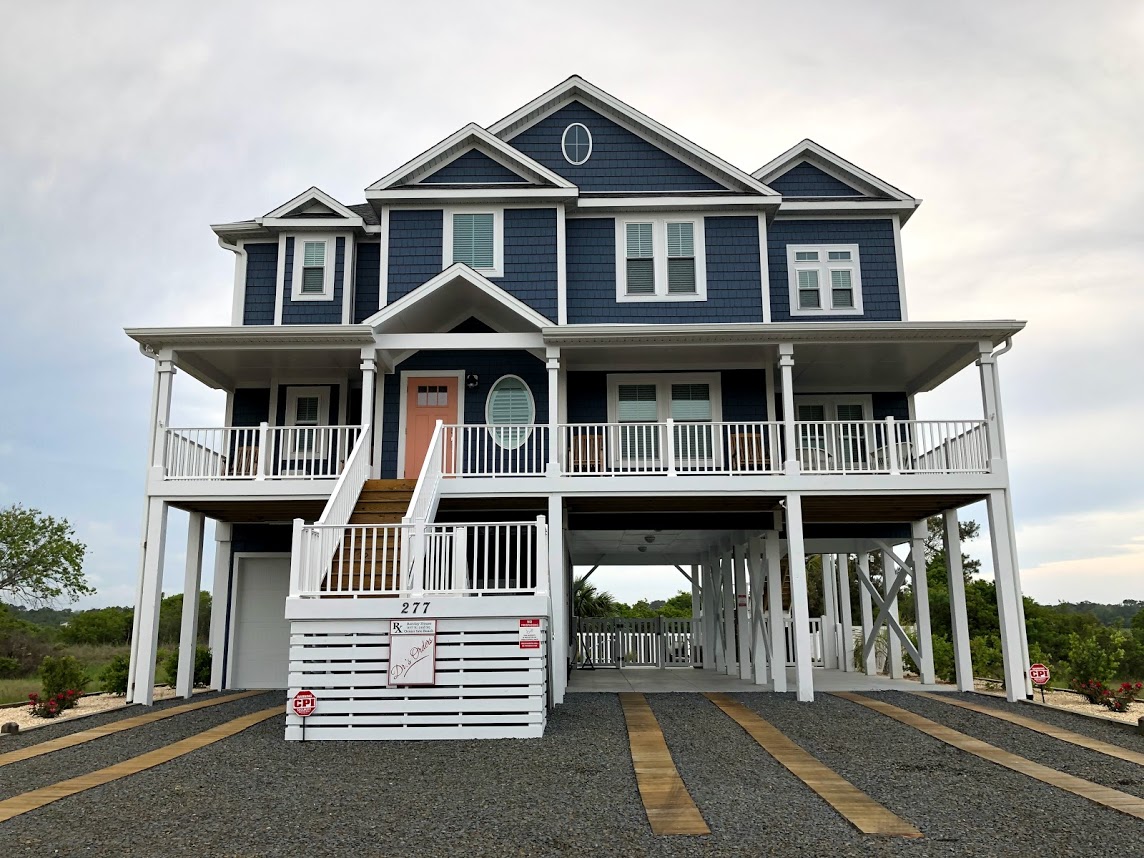
Storm-smart construction can protect both your investment and your peace of mind.
Key Factors in Coastal Real Estate Evaluation
Once you’ve found an area you love, it’s time to evaluate specific properties. This is where structure, regulations, and property features all work together to determine whether a home is truly a good fit for you.
Navigating Local Regulations, Zoning, and HOAs
Each town, county, and coastal community may have its own rules. Understanding local regulations early helps you avoid costly surprises later.
Zoning Laws: Zoning determines how land can be used, what can be built, and where. This is especially important if you plan to add a garage, deck, accessory dwelling, or rental unit.
Permits: Renovations, additions, or structural changes usually require permits. Knowing this before you buy keeps your improvement plans realistic.
Homeowners Associations (HOAs): HOAs can set rules about exterior paint colors, fencing, rentals, parking, and more. Some buyers appreciate this structure; others find it restricting.
Assessing Property Features and Structural Strength
Coastal properties work harder than inland homes. Sun, wind, and moisture all take a toll over time. That’s why careful evaluation of the home’s structure and key features is essential.
Foundation: Look for solid, well-maintained foundations. Elevated homes on pilings or piers can offer improved flood resilience.
Roofing and Exterior: Metal roofing, quality shingles, and durable siding materials perform better in coastal climates.
Windows and Doors: Storm-rated or impact-resistant windows and doors add security, comfort, and potential insurance savings.
Drainage: Proper grading and drainage help move water away from the home and minimize moisture issues.
Storage and Lifestyle Features: Outdoor showers, storage for beach gear, and covered parking are all valuable in a coastal lifestyle.
Always work with a licensed home inspector who understands coastal construction. Their detailed evaluation gives you a clear picture of current conditions and future maintenance needs.
A thorough inspection is one of the smartest steps in your coastal home evaluation.
Tips for a Successful First Coastal Home Purchase
With the groundwork laid—location, weather, structure, and regulations—it’s time to connect everything to your budget and long-term goals. These practical tips will help keep your coastal dreams within reach.
Budgeting for Your Dream Coastal Home
Setting a realistic budget is one of the most important parts of Navigating Your First Coastal Home Purchase: Essential Evaluation Tips. Coastal ownership can come with extra costs, so it’s wise to plan ahead.
Purchase Price: Know your maximum comfortable price—not just what you qualify for.
Insurance: Flood and wind policies can significantly influence your monthly payment.
Property Taxes: Taxes vary by county and city and should be factored into your annual budget.
Maintenance and Repairs: Set aside funds for regular upkeep like painting, sealing, roofing checks, and system maintenance.
HOA or Community Fees: If applicable, include monthly or annual dues in your projections.
Use mortgage calculators and speak with a trusted lender to understand how all of these elements come together in a monthly payment. That clarity makes it much easier to shop confidently.
Exploring Down Payment and Financing Options
Your down payment and loan structure can shape your financial comfort for years to come. Larger down payments can reduce your monthly costs and overall interest, but there are also programs designed to help first-time buyers enter the market with more flexibility.
Talk to your lender about:
First-time homebuyer programs
Loan types (conventional, FHA, VA, and others you may qualify for)
Interest rate options and how your credit impacts them
Closing cost estimates and potential credits or incentives
The more you understand your financing choices, the more strategic you can be when you find the coastal home you love.
Partnering with Chris Meek Realty 🌞
Buying a home—especially your first coastal property—is a big step, but you don’t have to do it alone. Chris Meek Realty knows southeastern North Carolina’s coastal market and can guide you from initial research to closing day.
Local Expertise: Insight into neighborhoods, growth patterns, and community character.
Property Evaluation Support: Help interpreting inspections, insurance quotes, and local regulations.
Negotiation and Strategy: Guidance on making competitive offers while protecting your interests.
Personalized Service: A team that listens to your goals and tailors the search to your lifestyle.
Many first-time buyers feel overwhelmed at the start, but with a strong real estate partner, the process becomes clear and manageable. The longer you wait, the more likely you are to miss out on the ideal coastal home. Let Chris Meek Realty walk with you each step of the way so you can move forward with confidence.
Frequently Asked Questions About Your First Coastal Home Purchase
1. What’s the first step in buying a coastal home?
Start by defining your budget and preferred locations, then connect with a local real estate professional like Chris Meek Realty who understands coastal markets. From there, you can get pre-approved and begin viewing homes that match your needs.
2. Are coastal homes much more expensive to maintain?
Coastal homes can have higher maintenance needs due to salt air, humidity, and storm exposure. However, choosing thoughtfully built properties and keeping up with routine care can help you manage costs and protect your investment over time.
3. How important is flood insurance for coastal properties?
Flood insurance is extremely important in many coastal areas. Your lender may require it based on the property’s flood zone. Even if it’s not required, it’s wise to discuss coverage options with a qualified insurance agent.
4. What should I look for during a home inspection on a coastal property?
Focus on the foundation, roof, siding, windows, doors, and any signs of water intrusion, corrosion, or structural wear. Ask your inspector specific questions about how the coastal environment affects long-term performance.
5. Is a coastal home a good investment for a first-time buyer?
Yes, a coastal home can be a great investment when you carefully evaluate location, weather risks, insurance, and long-term growth potential. Working with an experienced local agent helps you avoid common pitfalls and focus on properties with strong fundamentals.
6. Why work specifically with a coastal-focused realty team like Chris Meek Realty?
Coastal markets are unique. A team like Chris Meek Realty brings local insight into flood zones, neighborhood trends, insurance considerations, and community culture. That expertise can save you time, money, and stress as you navigate your first coastal home purchase.
Conclusion: Your Path to Confident Coastal Homeownership
Navigating Your First Coastal Home Purchase: Essential Evaluation Tips don’t have to feel overwhelming. When you understand local dynamics, evaluate weather and structural considerations, plan for financial realities, and partner with experienced professionals like Chris Meek Realty, you set yourself up for success. Your coastal dream home in southeastern North Carolina is within reach—now you have the insight and tools to pursue it with confidence.

 Facebook
 X
X
 Pinterest
 Copy Link

 Envisioning your first coastal home along North Carolina’s beautiful shoreline.
 Prime coastal neighborhoods balance lifestyle, amenities, and long-term growth.
 Storm-smart construction can protect both your investment and your peace of mind.